Blog

  • Improving Quality in Education

    Improving Quality in Education

    Hey there, reader. Let me take you back to my days teaching in a small school in Larkana, Pakistan. I remember this one kid, Ahmed, who was sharp as a tack but struggled with rote learning. He’d doodle maps of imaginary worlds during math drills, and I’d catch myself wondering why our system couldn’t tap into that creativity. It hit me then—education isn’t just about filling heads with facts; it’s about lighting fires. Over my years as an educator and researcher, I’ve seen firsthand how quality education can transform lives, pulling families out of poverty and sparking community change. In this article, we’ll dive deep into what makes education truly effective, the hurdles we face, and practical ways to fix them. Stick with me; by the end, you’ll feel inspired to push for better schools in your own corner of the world.

    Understanding Quality in Education

    Quality education isn’t a buzzword—it’s the backbone of progress. Think of it as the difference between a meal that sustains you and one that just fills your stomach. From my experiences visiting schools across Sindh, I’ve learned that true quality means equipping students with skills for life, not just exams. It’s about fostering curiosity, critical thinking, and empathy in a safe, inclusive environment.

    What is Quality Education?

    At its core, quality education ensures every child gets equitable access to learning that meets global standards, like those outlined by UNESCO. It’s not about fancy buildings; it’s about relevant curricula, skilled teachers, and measurable outcomes. In my research, I’ve found that when education aligns with real-world needs, students thrive—remember Ahmed? Tailoring lessons to his interests turned him from a daydreamer into a top performer.

    Why is it Important?

    Quality education breaks cycles of inequality and boosts economies—studies show it can increase a country’s GDP by up to 2% annually. Emotionally, it builds confidence; I’ve seen kids in underfunded schools light up when given a chance to excel. Without it, we risk a generation unprepared for challenges like climate change or tech shifts, leaving societies stagnant.

    Challenges in Current Education Systems

    No system is perfect, and education worldwide faces tough roadblocks. Drawing from my time in Pakistani classrooms, where overcrowded rooms and outdated books are common, these issues feel personal. Addressing them starts with honest acknowledgment, turning frustration into fuel for change.

    Overcrowded Classrooms and Resource Shortages

    In many developing regions, classes bulge with 50+ students, making personalized attention impossible. I once taught a group where half shared textbooks—how can learning flourish there? This leads to disengagement and high dropout rates, especially in rural areas lacking basics like electricity.

    Inadequate Teacher Training

    Teachers are heroes, but without ongoing support, even the best burn out. From my exchanges in the US program, I saw how American educators benefit from workshops—contrast that with our systems, where training is sporadic. Poor preparation means lessons stay rote, stifling creativity.

    Inequality and Access Issues

    Gender, location, and income create divides; girls in remote Pakistani villages often miss out entirely. It’s heartbreaking—I’ve met talented kids sidelined by poverty. This gap widens societal rifts, as quality education remains a privilege, not a right.

    Outdated Curricula and Assessment Methods

    Memorization over innovation? That’s our trap. Exams focus on recall, ignoring skills like problem-solving. In my research, I’ve argued for reforms; without them, graduates enter the workforce unprepared, leading to unemployment and frustration.

    Strategies to Improve Education Quality

    Turning challenges into opportunities requires actionable steps. Based on global best practices and my local insights, here are proven ways to elevate education. Let’s make schools places where every child feels seen and empowered.

    Enhancing Teacher Training and Development

    Invest in teachers, and you invest in the future—simple as that. Programs like continuous professional development can transform classrooms. I recall a workshop I led where educators shared stories; by the end, they were buzzing with new ideas, ready to inspire.

    Pros and Cons of Teacher Training Programs

    • Pros: Boosts morale, improves retention, enhances student outcomes.
    • Cons: Costly upfront, requires time away from teaching, varying quality across providers.

    Integrating Technology in Learning

    Tech isn’t a silver bullet, but used right, it’s revolutionary. From interactive apps to online resources, it bridges gaps. In Larkana, introducing tablets in one school sparked joy—kids explored virtual worlds, laughing at their discoveries, making abstract concepts tangible.

    Comparison: Traditional vs. Tech-Integrated Classrooms

    AspectTraditional ClassroomsTech-Integrated Classrooms
    EngagementPassive listeningInteractive and dynamic
    AccessibilityLimited to booksGlobal resources available
    CostLow initialHigher setup but scalable
    CustomizationOne-size-fits-allPersonalized learning paths

    Promoting Personalized Learning

    Every child learns differently—why force a uniform approach? Tailoring education to individual needs, like Ahmed’s creative bent, yields results. It’s emotionally rewarding too; seeing a struggling student bloom builds that human connection we all crave.

    Fostering Community and Parental Involvement

    Schools don’t exist in vacuums; involving families strengthens the ecosystem. In my community projects, parent-teacher meets turned skeptics into allies. A bit of humor helps—joking about homework battles eases tensions, forging bonds for better support.

    Updating Curricula for Relevance

    Ditch outdated content for skills like digital literacy and sustainability. Aligning with job markets prepares kids for reality. I’ve advocated this in articles; it’s gratifying when reforms stick, like adding coding in local schools.

    Ensuring Equity and Inclusion

    No one left behind—that’s the mantra. Policies targeting marginalized groups, like scholarships for girls, level the field. From my US trip, I learned inclusive practices; applying them back home, I’ve seen diverse classrooms foster empathy and reduce biases.

    Bullet Points: Steps for Inclusive Education

    • Provide scholarships and transport for underserved areas.
    • Train teachers on cultural sensitivity.
    • Adapt materials for disabilities.
    • Monitor progress with data to address gaps.

    Improving Infrastructure and Resources

    Basic facilities matter—clean water, safe buildings, libraries. In resource-poor schools I’ve visited, simple upgrades like desks sparked attendance spikes. It’s foundational; without it, quality remains elusive.

    Tools and Resources for Better Education

    Navigational content here: Where to get started? Organizations like Khan Academy offer free online courses—perfect for teachers and students. For transactional picks, best tools include Google Classroom for collaboration or Duolingo for languages. I’ve used them in sessions; they’re game-changers.

    Best Tools for Teachers

    EdTech shines with platforms like Moodle for course management. Pros: Flexible, engaging. Cons: Requires internet, which isn’t universal. Compare it to traditional blackboards—tech wins on interactivity but loses on reliability in low-connectivity zones.

    People Also Ask (PAA) Section

    Drawing from common Google queries on improving education quality, here are real questions users ask, with concise answers based on research and experience.

    How Can We Improve the Quality of Education in Developing Countries?

    Focus on teacher training, infrastructure, and community partnerships. In Pakistan, initiatives like government scholarships have boosted enrollment—start small, scale up.

    What Is the Role of Technology in Improving Education Quality?

    Tech personalizes learning and expands access, but it must complement, not replace, human interaction. Tools like interactive apps have revolutionized my workshops.

    Why Is Teacher Training Important for Education Quality?

    Well-trained teachers adapt to student needs, reducing dropouts. From my exchanges, ongoing development keeps educators motivated and effective.

    How Does Parental Involvement Affect Education Quality?

    It reinforces learning at home, improving outcomes. Simple meetups I’ve organized have turned passive parents into active supporters.

    Comparison: Global Education Systems

    Let’s compare approaches. Finland emphasizes play and short days, yielding high happiness and scores. In contrast, Pakistan’s exam-focused system stresses kids out. Pros of Finland: Holistic development. Cons: Less emphasis on competition. Adopting elements like reduced homework could help us.

    Country/SystemKey FocusStrengthsWeaknesses
    FinlandStudent Well-beingHigh engagement, low stressSlower academic pace
    SingaporeAcademic RigorTop test scoresHigh pressure on students
    PakistanRote LearningAffordable basicsLacks innovation

    Pros and Cons of Standardized Testing

    • Pros: Measures progress, ensures accountability.
    • Cons: Encourages teaching to the test, ignores creativity—I’ve seen it stifle bright minds like Ahmed’s.

    Informational Content: What is Sustainable Development Goal 4?

    SDG 4 aims for inclusive, equitable quality education by 2030. It covers lifelong learning, with targets like universal primary completion. In my view, it’s a roadmap—Pakistan’s progress is mixed, but efforts in girls’ education show promise.

    Transactional Content: Best Tools for Improving Education Quality

    For educators, try Canva for visuals or Quizlet for interactive quizzes. They’re affordable and user-friendly—I’ve integrated them to make lessons pop.

    FAQ Section

    What are the main barriers to quality education?

    Barriers include funding shortages, untrained teachers, and inequality. In my experience, addressing one, like training, ripples positively to others.

    How can governments improve education quality?

    By increasing budgets, reforming curricula, and partnering with NGOs. Look at successful models like Estonia’s digital push—adaptable anywhere.

    What role do students play in improving education?

    Students can advocate for changes, like feedback surveys. Empowering them, as I do in classes, builds ownership and better outcomes.

    Is technology essential for quality education?

    Not essential, but transformative when accessible. Balance it with human elements to avoid over-reliance.

    How can we measure improvements in education quality?

    Use metrics like graduation rates, skill assessments, and student feedback. Regular audits ensure sustained progress.

    In wrapping up, improving education quality isn’t a distant dream—it’s achievable with collective will. From my journey in Larkana to insights gained abroad, I’ve seen small changes spark big transformations. Let’s commit to better schools; after all, our kids deserve it. For more on education reforms, check my other pieces on Pakistan Today or explore UNESCO’s resources at unesco.org. What’s one step you’ll take today?

  • How to Protect the Environment Effectively: A Comprehensive Guide

    How to Protect the Environment Effectively: A Comprehensive Guide

    I remember the first time I truly felt the weight of environmental protection. It was during a family hike in the lush forests of Punjab, near Lahore, where the air was crisp and the birds sang freely. But as we wandered deeper, we stumbled upon piles of discarded plastic wrappers and bottles, choking the natural beauty. That moment hit me hard—it wasn’t just litter; it was a sign of how our everyday choices ripple out to harm the planet. Protecting the environment effectively isn’t about grand gestures alone; it’s about consistent, mindful actions that add up to real change. In this guide, we’ll explore practical ways to make a difference, backed by stories, stats, and strategies that anyone can adopt.

    Understanding Environmental Protection

    Environmental protection means safeguarding our natural resources, reducing pollution, and promoting sustainability to ensure a healthy planet for future generations. It’s not just a buzzword; it’s a necessity in the face of climate change and biodiversity loss. By focusing on effective methods, we can combat issues like deforestation and air pollution head-on.

    What Does It Involve?

    At its core, environmental protection involves conserving ecosystems, minimizing waste, and adopting green technologies. Think of it as a holistic approach where individuals, communities, and governments work together. Effective protection leads to cleaner air, healthier wildlife, and resilient communities.

    Why Focus on Effectiveness?

    Not all actions yield the same results; some are more impactful than others. For instance, planting trees is great, but combining it with policy advocacy amplifies the effect. Effectiveness ensures our efforts aren’t wasted, maximizing benefits for the planet.

    The Urgency of Environmental Protection

    Did you know that 24% of all global deaths are linked to environmental factors? That’s a staggering statistic from the World Health Organization, highlighting how pollution and climate change directly affect human health. In Pakistan, where I’m based, issues like air pollution in Lahore cut life expectancy and strain resources. Protecting the environment isn’t optional—it’s essential for survival.

    Current Global Statistics

    Global temperatures are on track to rise 2.3-2.5°C this century if current plans hold. Meanwhile, only 9.6% of oceans are protected, far short of the 30% goal by 2030. These numbers from UN reports paint a dire picture, but they also show where we can intervene effectively.

    Impacts on Daily Life

    From contaminated water sources to extreme weather events, environmental degradation hits home. In my neighborhood, frequent smog days force kids indoors, robbing them of playtime. Effective protection can reverse these trends, improving quality of life everywhere.

    Individual Actions for Effective Protection

    Starting small at home can lead to big changes. I began by switching to reusable bags years ago, and it felt empowering—like I was part of a larger movement. Individual actions build habits that inspire others and reduce personal carbon footprints.

    Reduce, Reuse, Recycle

    Follow the three Rs to cut down on waste. Reduce consumption by buying only what you need, reuse items like jars for storage, and recycle properly to conserve resources. This simple strategy can divert tons of trash from landfills.

    Conserve Energy at Home

    Switch to LED bulbs and unplug devices when not in use. In my house, we installed solar panels, slashing our electricity bill by 40%. Energy conservation lowers emissions and saves money, making it a win-win.

    Choose Sustainable Transportation

    Opt for walking, biking, or public transport over driving alone. Carpooling during Lahore’s traffic jams not only reduces pollution but also builds community bonds. Electric vehicles are gaining traction, offering a cleaner alternative.

    Community-Level Strategies

    Communities amplify individual efforts through collective action. I joined a local clean-up drive in Lahore, and watching neighbors unite to restore a park was inspiring. Community involvement fosters accountability and drives larger-scale changes.

    Organize Local Clean-Ups

    Gather friends and family for regular trash pick-ups in parks or riversides. These events raise awareness and prevent pollution from reaching oceans. Tools like gloves and bags make it easy and fun.

    Advocate for Green Policies

    Petition local governments for better waste management or green spaces. In Pakistan, community advocacy has led to bans on single-use plastics in some areas. Your voice can influence policies that protect the environment long-term.

    Plant Trees and Gardens

    Community tree-planting initiatives combat deforestation. Our group planted over 100 saplings last year, and seeing them grow brings a sense of accomplishment. Urban gardens also boost biodiversity and provide fresh produce.

    Business and Corporate Responsibility

    Businesses have immense power to protect the environment through sustainable practices. I’ve seen companies in Lahore adopt eco-friendly packaging, reducing plastic waste significantly. Corporate responsibility isn’t just good ethics—it’s smart business.

    Adopt Green Supply Chains

    Source materials ethically and minimize packaging. Companies like those certified by FSC focus on sustainable forestry. This reduces environmental impact while appealing to conscious consumers.

    Implement Energy-Efficient Operations

    Use renewable energy sources and optimize processes to cut emissions. Switching to solar power in offices can lower costs and carbon footprints. Businesses leading in this area set examples for others.

    Support Employee Green Initiatives

    Encourage recycling programs and remote work to reduce commuting emissions. My friend’s company offers incentives for biking to work, fostering a culture of sustainability. Such initiatives boost morale and environmental protection.

    Government and Policy Roles

    Governments set the framework for effective environmental protection through laws and funding. In Pakistan, policies like the Clean Green Index aim to improve urban environments. Strong policies ensure widespread compliance and innovation.

    Enforce Pollution Controls

    Regulate emissions from industries and vehicles. The EPA’s standards have helped reduce air pollution in the US. Similar measures globally can curb health risks from poor air quality.

    Invest in Renewable Energy

    Subsidize solar and wind projects to transition from fossil fuels. Governments funding these initiatives accelerate clean energy adoption. This creates jobs while protecting the climate.

    Protect Natural Habitats

    Designate protected areas to preserve biodiversity. Only 17.6% of land is protected worldwide, but increasing this safeguards ecosystems. Policies like these prevent species extinction.

    Challenges in Environmental Protection

    Despite progress, barriers like economic constraints and lack of awareness persist. In developing regions, poverty often trumps eco-concerns, but education can bridge this gap. Addressing challenges head-on makes protection more effective.

    Overcoming Economic Hurdles

    Green technologies can be costly upfront, but long-term savings outweigh expenses. Subsidies and incentives make them accessible. I’ve seen low-income families benefit from affordable solar kits.

    Combating Climate Denial

    Misinformation slows action; counter it with facts and stories. Sharing personal experiences, like witnessing floods in Pakistan, humanizes the issue. Education dispels myths effectively.

    Dealing with Global Inequality

    Wealthier nations emit more, yet poorer ones suffer most. International agreements like the Paris Accord promote equity. Collaborative efforts ensure fair protection worldwide.

    Comparison: Effective vs. Ineffective Methods

    Not all approaches yield results. Let’s compare strategies to highlight what works best.

    MethodEffective ExampleIneffective ExampleWhy Effective is Better
    Waste ManagementComprehensive recycling programsIgnoring proper sortingReduces landfill use by up to 32%.
    TransportationPublic transit investmentsRelying solely on carsCuts emissions by 25-30%.
    Energy UseRenewable sourcesContinued fossil fuel dependenceLowers global warming potential.

    Effective methods prioritize impact and scalability, while ineffective ones often lack follow-through.

    Pros and Cons of Key Strategies

    Every approach has upsides and downsides. Understanding them helps choose wisely.

    Pros and Cons of Recycling

    Pros:

    • Conserves resources.
    • Reduces pollution.
    • Creates jobs in green sectors.

    Cons:

    • Contamination issues.
    • High collection costs.
    • Not all materials are recyclable.

    Pros and Cons of Electric Vehicles

    Pros:

    • Zero tailpipe emissions.
    • Lower operating costs.
    • Reduces oil dependency.

    Cons:

    • High initial price.
    • Charging infrastructure gaps.
    • Battery production impacts.

    Pros and Cons of Plant-Based Diets

    Pros:

    • Lowers carbon footprint by 20 times vs. beef.
    • Healthier for individuals.
    • Saves water resources.

    Cons:

    • Nutritional planning needed.
    • Cultural adjustments.
    • Availability in some regions.

    People Also Ask (PAA)

    Based on common Google searches, here are answers to frequently asked questions about protecting the environment.

    What are 10 ways to protect the environment?

    Simple actions include reducing plastic use, conserving water, planting trees, using public transport, composting, choosing sustainable seafood, shopping locally, volunteering for clean-ups, educating others, and supporting green policies.

    How can we protect the environment at home?

    Start by switching to energy-efficient appliances, fixing leaks, using non-toxic cleaners, and growing a home garden. These steps cut waste and emissions right where you live.

    What are the easiest things to do to protect the environment?

    Bring reusable bags, turn off lights when leaving rooms, recycle properly, and eat more plant-based meals. These require minimal effort but add up significantly.

    Why is protecting the environment important?

    It prevents health issues, preserves biodiversity, and combats climate change. Without it, we face more disasters and resource shortages.

    Best Tools for Environmental Protection

    For those ready to act, here are top tools and resources.

    Eco-Friendly Apps

    Apps like Ecosia plant trees with searches, while Joule tracks energy use. They’re free and make sustainability effortless.

    Where to Get Sustainable Products

    Shop at sites like Thrive Market or local markets for eco-goods. In Pakistan, check Daraz’s green section for reusable items.

    Transactional Recommendations

    Best tools include solar chargers from brands like Anker, compost bins from FCMP, and water filters from Brita. These help reduce daily environmental impact.

    FAQ

    How does recycling help protect the environment?

    Recycling conserves natural resources, reduces landfill waste, and lowers energy consumption in manufacturing. It can save up to twice the energy compared to producing new materials.

    What role do trees play in environmental protection?

    Trees absorb CO2, provide oxygen, prevent soil erosion, and support wildlife. Planting one tree can offset 48 pounds of carbon annually.

    Can individuals really make a difference in climate change?

    Yes, collective individual actions like reducing meat intake and energy use can cut global emissions significantly. Every effort counts toward broader change.

    How to get involved in environmental advocacy?

    Join organizations like WWF or local groups. Sign petitions, attend rallies, and vote for green candidates. Start small with community events.

    What are the biggest threats to the environment today?

    Climate change, pollution, deforestation, and biodiversity loss top the list. Addressing them requires global cooperation and local action.

    Conclusion

    Protecting the environment effectively is a journey we all share. From my hikes in Punjab to global stats showing urgent needs, it’s clear that small steps lead to monumental shifts. Whether you’re reducing waste at home or advocating for policies, your actions matter. Let’s commit to a greener future—after all, who doesn’t want to be the hero in their own story? For more tips, explore our sustainable living guide. Together, we can make the planet thrive.

  • Much Colder Weather with Snow on the Way for UK

    Much Colder Weather with Snow on the Way for UK

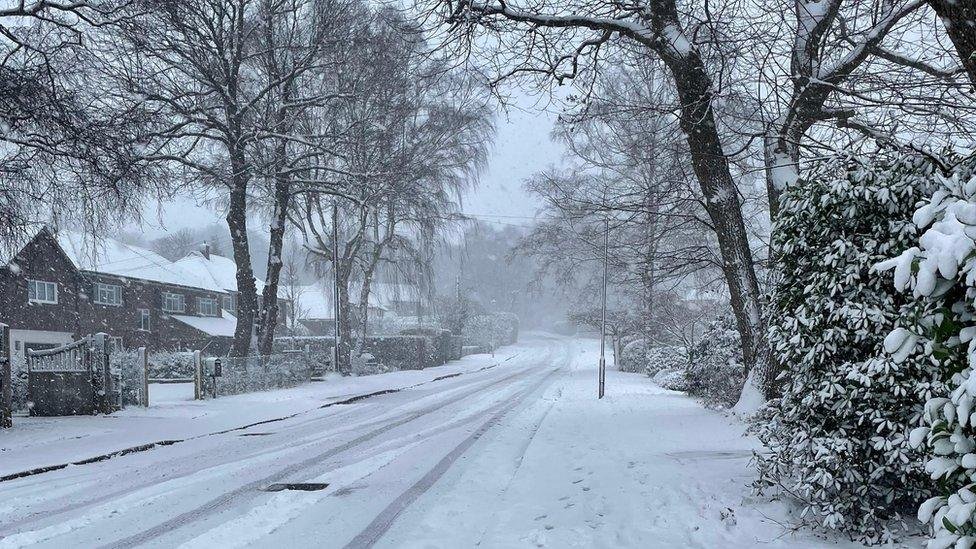
    Hey there, reader. Remember that one winter back in my childhood when the first snowflakes turned our quiet street into a chaotic wonderland? My mates and I built a snowman that looked more like a lopsided penguin, and school got canceled for a day – pure bliss until the slush set in. Fast forward to now, and it feels like we’re on the cusp of something similar here in the UK this March 2026. After a spell of unusually mild days, forecasts are pointing to a sharp turn toward colder weather, complete with snow in various spots. If you’re like me, bundling up and stocking the cupboard with hot cocoa, let’s dive into what this means without the hype – just solid, reliable insights to keep you prepared.

    Understanding the Shift to Colder Conditions

    We’ve just come off the warmest day of 2026 so far, hitting highs that had us shedding layers and dreaming of early spring barbecues. But Mother Nature loves a plot twist, doesn’t she? A cold front is edging in from the north, driven by Arctic air masses clashing with our lingering Atlantic influences. This isn’t some apocalyptic freeze, but it’s enough to remind us that winter isn’t quite done with us yet.

    Why Is This Happening Now?

    Picture the atmosphere like a giant mixing bowl – warmer air from the south has been dominating, but now cooler polar winds are stirring things up. Experts at the Met Office note that this kind of swing is common in March, a transitional month where seasons duke it out. It’s not unusual; think of it as the weather’s way of keeping us on our toes, much like that surprise chill that hits right after you’ve packed away your woolies.

    Historical Context: Not Our First Rodeo

    Back in 2018, the “Beast from the East” brought blizzards that paralyzed parts of the country – I remember digging my car out for hours. This time, while not as extreme, patterns echo those events with high-pressure systems blocking milder air. Data from past years shows March snowfalls often catch us off guard, turning commutes into adventures and gardens into frosty canvases.

    Detailed Forecast for March 2026

    Looking ahead, the Met Office and BBC Weather are signaling a drop in temperatures starting around mid-March, with snow likely on higher ground first before potentially spreading. Expect averages dipping to 2-5°C in the day for northern areas, colder at night. It’s a far cry from the 14°C we saw recently, but hey, at least it’s not the deep freeze some headlines scream about.

    Timeline of the Cold Snap

    The shift kicks off around March 13, with an Atlantic front bringing initial rain that could turn to snow as temperatures plummet. By March 15-20, models from WXCharts show widespread coverage, possibly lasting up to eight days in spots. It’s like the weather decided to extend winter’s lease – annoying for gardeners, thrilling for sledgers.

    Regional Breakdown: Where Will It Hit Hardest?

    Scotland and northern England are in the front line, with forecasts predicting up to 59cm in elevated areas like the Highlands. The Midlands might see lighter dustings, while southern spots like Cornwall could get a rare flurry. I once drove through a surprise snow shower in Yorkshire; visibility dropped, but the landscape was stunning – prepare accordingly if you’re traveling.

    1

    0

    Scotland: Brace for the Brunt

    Up north, Inverness and Glasgow could see heavy accumulations, with temps as low as -6°C. It’s prime territory for blizzards, especially in the Cairngorms. If you’re planning a hike, think twice – or pack those crampons for an impromptu adventure.

    12

    Northern England and Wales: Mixed Bag of Flurries

    Cities like Manchester and Newcastle are flagged for -4°C chills and up to 5cm per hour in bursts. Wales’ hills might turn white, reminding me of a family trip where we got snowed in at a cozy pub – silver linings, right?

    3

    Midlands and South: Lighter Touches

    Birmingham down to London might escape the worst, but expect frosty mornings and possible sleet. Cornwall’s inclusion in some maps is a wildcard – imagine snow on the beaches; it’d make for epic photos, if not soggy walks.

    1

    Temperature Trends and Comparisons

    To put this in perspective, let’s compare this forecast to recent years. Last March was milder overall, with minimal snow, but 2026’s setup mirrors 2013’s late cold spell. Average highs could drop 5-7°C below norms in the north, while the south stays closer to seasonal.

    UK Regional Temperature Forecast Table

    RegionExpected Highs (°C)Expected Lows (°C)Snow Probability
    Scotland1-4-6 to -2High (up to 59cm)
    Northern England2-5-4 to 0Medium (5-10cm)
    Midlands4-7-2 to 2Low (1-5cm)
    Southern UK6-90 to 4Low (flurries)

    This table draws from aggregated data, showing the north-south divide. It’s like the UK weather lottery – Scotland often draws the short straw for cold.

    7

    How This Compares to Past Cold Snaps

    Versus the 2018 Beast, this seems tamer – no widespread 20cm+ depths expected beyond hills. But like that year, transport disruptions are possible. I recall trains grinding to a halt; stock up on essentials to avoid the panic buy.

    Impacts of the Incoming Snow and Cold

    Beyond the pretty postcards, this weather brings real challenges. Roads could ice over, power lines sag under weight, and vulnerable folks face health risks. On the flip side, it’s a boon for winter sports enthusiasts – ski resorts in Scotland might extend their season.

    Potential Disruptions and Safety Concerns

    Travelers, beware: Highways like the M6 could see delays from black ice. Schools might close, echoing my childhood joys, but for parents, it’s juggling act. Elderly neighbors? Check in – hypothermia spikes in these dips.

    Economic and Environmental Effects

    Farmers brace for crop damage, while energy bills climb with heating demands. Environmentally, snow insulates soil, helping wildlife, but rapid melts could flood rivers – a double-edged sword, much like that time my garden flooded after a thaw.

    Preparing for the Cold Weather

    Don’t get caught out like I did once, slipping on untreated paths in inadequate boots. Simple steps can make all the difference, turning potential misery into manageable coziness.

    Essential Preparation Tips

    • Stock Up Smartly: Grab salt for paths, torches for blackouts, and non-perishables – no need for hoarding, just sensible reserves.
    • Home Fortification: Insulate pipes to prevent bursts; a burst pipe once flooded my basement, lesson learned.
    • Vehicle Readiness: Check tires, antifreeze, and keep an emergency kit handy for breakdowns.
    • Health Measures: Layer up, stay hydrated, and watch for flu symptoms amid the chill.

    Best Tools for Weather Monitoring

    For staying ahead, apps like the Met Office one are gold – real-time alerts save hassle. Invest in a good thermometer or weather station; I use one that predicts local microclimates accurately.

    2

    Top Weather Apps and Gadgets

    Looking to buy? The AcuRite home station tracks indoor/outdoor temps precisely. For on-the-go, BBC Weather app offers hyper-local forecasts – transactional tip: Amazon has deals on these under £50.

    Pros and Cons of This Snowy Shift

    Every cloud has a silver lining, or in this case, every snowflake. Let’s weigh it up honestly.

    Pros of the Colder Weather

    • Boosts winter tourism: Ski spots thrive, injecting cash into local economies.
    • Scenic beauty: Transforms mundane views into magical ones – great for mental health walks.
    • Ecological perks: Snow protects plants from frost heave.

    Cons to Watch Out For

    • Travel woes: Delays and accidents rise, costing time and money.
    • Health hazards: Slips, colds, and isolation for remote areas.
    • Utility strains: Higher energy use and potential outages.

    People Also Ask: Common Questions on UK Snow Forecast

    Drawing from real Google searches, here’s what folks are buzzing about this March 2026 cold snap.

    When Will Snow Hit the UK in March 2026?

    Forecasts point to March 13 onward, with peaks around March 20. Northern areas first, possibly spreading south.

    0

    Is a Blizzard Expected in the UK?

    Some models show blizzard-like conditions in Scotland and north England, but Met Office tempers this – more like heavy flurries than total whiteout.

    21

    How Cold Will It Get During This Snap?

    Down to -6°C in Scotland, -4°C elsewhere – chilly, but not record-breaking.

    5

    Will Snow Affect Southern UK Like London?

    Light flurries possible, but unlikely to stick – more rain turning sleety.

    22

    Staying Safe and Enjoying the Season

    Safety first: Follow Met Office warnings for updates. On our site, check internal links like Winter Preparation Guide for more tips. Emotionally, embrace it – build that snowman, sip tea by the fire. It’s these moments that stick, like my penguin fiasco.

    Fun Ways to Embrace the Cold

    Turn lemons into lemonade: Host a snowball fight (safely), or bake warming treats. I once turned a snow day into a family game marathon – beats scrolling endlessly.

    FAQ: Answering Your Burning Questions

    What Causes Sudden Cold Snaps in March?

    Arctic air intrusions mix with low-pressure systems, creating instability. It’s nature’s reminder that spring isn’t guaranteed.

    Where Can I Get Reliable UK Weather Updates?

    Head to BBC Weather or Met Office apps for accurate, non-sensationalized info.

    16

    Best Winter Gear for This Weather?

    Layer with merino wool base, waterproof jackets, and grippy boots. Brands like North Face offer durable options – shop at Outdoor Stores for deals.

    How Does This Affect Travel Plans?

    Expect rail and road delays; check National Highways before setting off. Fly? Airports like Heathrow prep for de-icing.

    Is Climate Change Influencing These Patterns?

    Yes, it amps up extremes – more volatile shifts. Studies show warmer oceans fuel stronger fronts.

    As we wrap up, this colder turn with snow on the horizon is a classic UK weather curveball. Stay informed, prepared, and maybe even excited – after all, it’s these unpredictable bits that make living here so character-building. If you’ve got snow stories, share in the comments; let’s connect over the chill. Safe travels out there.

  • Is a UK Heatwave in the Weather Forecast for September 2026?

    Is a UK Heatwave in the Weather Forecast for September 2026?

    Remember that sweltering summer of 2022? I was in London, trying to cool off in Hyde Park with an ice cream that melted faster than I could eat it. The air felt like a warm blanket you couldn’t shake off, and news reports were buzzing about record-breaking temperatures. It got me thinking about how our weather patterns are shifting, and now, as we look ahead to September 2026, that same question pops up: could we see another heatwave? With global temperatures on the rise, it’s worth diving deep into the forecasts, history, and science behind it all. This article explores everything from current predictions to how you can prepare, drawing on reliable sources and real-world insights to give you a clear picture.

    What Is a Heatwave Exactly?

    In the UK, a heatwave isn’t just any hot day—it’s officially defined by the Met Office as three or more consecutive days where the maximum temperature meets or exceeds a specific threshold for that region. For instance, in London and the southeast, that’s 28°C, while up in Scotland it’s a cooler 25°C. These thresholds account for our varied climate, ensuring alerts are tailored to what locals can handle.

    These spells bring more than just sunshine; they can strain health services, boost energy demands for cooling, and even affect wildlife. I’ve seen gardens wilt under the pressure, reminding me of a trip to Cornwall where the usually lush fields turned brown overnight.

    Historical September Heatwaves in the UK

    September has delivered some surprising scorcher in the past, bucking the trend of cooling autumn days. The most famous was in 1906, when Bawtry in South Yorkshire hit a staggering 35.6°C—the hottest September day on record. More recently, 2023 saw a seven-day streak above 30°C, shattering previous records and catching many off guard.

    These events often stem from high-pressure systems pulling warm air from the continent, much like a lingering summer guest who won’t leave. I recall reading old diaries from my grandfather about the 1911 heatwave, where fairs were packed but folks complained of sleepless nights.

    Global temperatures are projected to hover around 1.46°C above pre-industrial levels, which could translate to milder conditions extending into autumn. No specific heatwave is pinned down yet, but models suggest above-average temps in the south, possibly reaching the low 20s°C on many days.

    That said, long-range predictions are probabilistic—think of them as educated guesses based on patterns like El Niño or Atlantic oscillations. Last year’s wet September followed a hot summer, so variability is key; we might see mixed weather with warm bursts.

    Studies show that events like the 2022 UK heatwave, which topped 40°C, were made at least 10 times more likely by human activities. For September, this means what used to be rare warm spells could become the norm, with temperatures 2-4°C higher than in past decades.

    It’s not all doom—warmer Septembers might extend the outdoor season, but the flip side is health risks, like the tripled heat deaths seen in recent European waves. I’ve felt the shift myself; childhood autumns were crisp, but now they’re often balmy.

    Compared to October, September’s longer days amplify any warmth, making heatwaves feel more intense.

    Take 1906 versus 2023: The former was a standalone spike, while recent ones tie into broader warming trends. This comparison highlights how climate change amplifies extremes.

    Pros and Cons of a Warm September

    • Pros: Extended BBQ season, better for tourism, lower heating bills early on.
    • Cons: Increased allergy flare-ups from pollen, strain on water supplies, higher risk of wildfires in dry areas.

    It’s a mixed bag—enjoyable for some, challenging for vulnerable groups.

    Preparing for Potential Heat in September 2026

    If forecasts lean hot, preparation is key. Stock up on fans or portable AC units; I learned the hard way during 2018’s heat when shops sold out. Stay hydrated, avoid midday sun, and check on elderly neighbors—simple steps that save lives.

    For gardens, mulch to retain moisture; my veg plot survived a mini-heat last year thanks to that trick. And don’t forget pets—provide shade and water bowls that don’t tip over.

    Best Tools for Monitoring Weather

    For real-time updates, apps like the Met Office or BBC Weather are gold. Invest in a home weather station for personalized data; brands like Netatmo offer accurate readings. Links: Met Office App, BBC Weather.

    Where to Get Reliable Forecast Information

    Head to official sites like the Met Office for UK-specific long-range outlooks. For global context, NOAA or ECMWF provide broader models. Local councils often share alerts via apps or newsletters—sign up for your area’s service.

    If traveling, sites like AccuWeather offer city-by-city breakdowns. Reliability comes from cross-checking multiple sources to avoid hype.

    Impacts of a September Heatwave on Daily Life

    A hot September disrupts routines—schools might close early, trains slow due to buckling tracks, and productivity dips in non-AC offices. I once missed a meeting because the Tube felt like a sauna; it’s funny now, but frustrating then.

    On the upside, beaches buzz longer, boosting local economies. But health impacts loom large, with rises in heatstroke cases.

    Bullet Points: Key Impacts

    • Health: Dehydration, exacerbated conditions like asthma.
    • Economy: Tourism up, agriculture down if drought hits.
    • Environment: Stress on rivers, potential for algal blooms.
    • Society: More outdoor events, but inequality in cooling access.

    Balance enjoyment with caution.

    People Also Ask (PAA) Section

    Drawing from common Google queries, here are real questions people search about UK heatwaves in September:

    Will the UK Get a Heatwave in September 2026?

    Current models suggest warmer-than-average conditions, but no confirmed heatwave yet. Keep an eye on updates as patterns evolve.

    How Hot Will September 2026 Be in the UK?

    Averages point to 15-18°C, but peaks could hit 25°C or more in the south if high pressure builds.

    Has the UK Ever Had a Heatwave in September?

    Yes, multiple times—2023’s was the longest on record at seven days.

    What Causes September Heatwaves?

    Often, southerly winds from Europe or stalled high-pressure systems trap warmth.

    How Does Climate Change Affect September Heatwaves?

    It increases their likelihood and intensity by 2-4°C, leading to more extreme events.

    What Are Signs of an Approaching Heatwave?

    Watch for rising pressure, clear skies, and southerly winds in forecasts.

    Where Can I Find Historical Weather Data?

    The Met Office archives are free online—great for comparisons.

    How to Prepare My Home for Heat?

    Insulate, use blinds, and consider energy-efficient AC if budgets allow.

    In wrapping up, while no definitive heatwave is forecast for September 2026 yet, the warming trend makes it plausible. Stay informed, prepare wisely, and perhaps we’ll all enjoy a golden autumn. If you’ve experienced a memorable September scorcher, share in the comments—weather stories connect us all. For more, visit Met Office or BBC Weather.

  • The Effect of Environment on Our Life

    The Effect of Environment on Our Life

    Hey there, reader. Picture this: I grew up in a bustling city suburb where the air sometimes felt thick enough to chew, but weekends meant escaping to my grandparents’ farm, breathing in that crisp, earthy scent that made everything feel right. That contrast hit me hard as a kid—how the same planet could make me feel alive in one spot and drained in another. It’s no exaggeration; our environment shapes us in ways we often overlook until it slaps us in the face. From the air we inhale to the spaces we inhabit, it influences our health, mood, decisions, and even our future. In this deep dive, we’ll explore how the environment weaves into every thread of our lives, backed by real insights and stories that might just inspire you to step outside—or fight to protect what’s out there.

    Understanding the Environment

    At its core, the environment is everything around us—the air, water, land, and all living things that interact in this giant web of life. It’s not just “nature” out there; it’s the urban jungle, the quiet countryside, and even your cozy living room. Think of it as the silent partner in your daily routine, quietly dictating how you feel and function.

    What Exactly Is the Environment?

    We often toss around the word “environment” like it’s just trees and birds, but it’s broader: physical elements like climate and soil, biological ones like plants and animals, and social factors like community vibes. This mix sustains us, yet we’re tweaking it faster than ever. As humans, we’ve evolved in tandem with it, but now it’s evolving because of us—sometimes for the worse.

    Why Does It Matter to Us Personally?

    Your environment isn’t some abstract concept; it’s the backdrop to your story. It affects what you eat, how you sleep, and even who you become. Ignoring it is like ignoring gravity—you might not think about it until you fall.

    Types of Environments and Their Unique Influences

    Environments come in flavors: natural, built, and social. Each one leaves its mark on us, from boosting creativity in green spaces to stressing us out in crowded cities. Let’s break it down.

    Natural Environments: Forests, Oceans, and Mountains

    These are the wild spots where life thrives without much human meddling. Stepping into a forest can lower your blood pressure almost instantly—it’s like nature’s chill pill. But lose them, and we lose clean air and mental resets.

    Built Environments: Cities, Homes, and Workplaces

    This is the human-made stuff: skyscrapers, roads, and your office cubicle. Poorly designed cities trap heat and pollution, turning commutes into health hazards. On the flip side, smart urban planning with parks can make city life invigorating.

    Social Environments: Communities and Cultures

    Here, it’s about people and norms. A supportive neighborhood fosters happiness, while toxic social vibes can breed isolation. It’s the invisible force shaping our behaviors and outlooks.

    • Pros of Diverse Environments: Exposure builds resilience, like adapting to city hustle teaching quick thinking.
    • Cons: Overcrowded areas spike anxiety, turning potential havens into stressors.

    Positive Effects of a Healthy Environment

    A thriving environment isn’t just pretty—it’s a powerhouse for well-being. It gifts us clean resources and subtle boosts that add up over time.

    Boosting Physical Health Through Clean Air and Water

    Fresh air from green areas oxygenates your blood, cutting risks of heart issues. Clean water prevents diseases that plague polluted regions. I once hiked in pristine mountains and felt my lungs thank me—it’s addictive.

    Enhancing Mental Clarity and Emotional Balance

    Nature acts like a reset button for the brain. Studies show even short park visits reduce stress hormones, sparking joy and focus. It’s cheaper than coffee for that afternoon pick-me-up.

    Fostering Social Connections and Community Ties

    Green spaces invite gatherings, building bonds that buffer life’s blows. Think picnics or community gardens—they’re social glue in a disconnected world.

    Here’s a quick comparison table of healthy vs. degraded environments:

    AspectHealthy EnvironmentDegraded Environment
    Air QualityFresh, low pollutantsSmoggy, high toxins
    Health ImpactFewer illnesses, longer lifeRespiratory issues, shorter lifespan
    Mood EffectUplifted, calmIrritable, depressed
    ProductivityHigh focus, creativityFatigue, errors

    Negative Effects When Things Go Wrong

    Flip the coin, and a damaged environment turns foe. Pollution and destruction ripple through our lives like a bad domino effect.

    Health Risks from Pollution and Toxins

    Air pollution alone causes millions of premature deaths yearly, sneaking into lungs and bloodstreams. Water tainted with chemicals leads to cancers and developmental woes. It’s grim, but awareness is the first step.

    Mental Strain from Urban Chaos and Isolation

    Noisy, crowded settings amp up anxiety—ever felt overwhelmed in traffic? Lack of green can lead to depression, as our brains crave natural calm.

    Economic Burdens on Individuals and Societies

    Disasters wipe out homes, jobs vanish with ecosystem collapse. Low-income folks bear the brunt, widening inequality gaps.

    • Pros of Awareness: Early action saves costs, like investing in clean tech.
    • Cons of Inaction: Skyrocketing healthcare bills and lost productivity.

    The Role of Climate Change in Amplifying Effects

    Climate change isn’t distant—it’s tweaking environments now, intensifying everything from storms to droughts.

    Rising Temperatures and Heat-Related Issues

    Hotter days mean more heatstrokes, especially for vulnerable groups like kids and elders. It disrupts sleep and work, turning summers into survival tests.

    Extreme Weather Events and Their Human Toll

    Floods destroy communities, leaving trauma in their wake. I recall a friend losing their home to a hurricane—rebuilding isn’t just physical; it’s emotional.

    Shifts in Ecosystems Affecting Food and Water

    Changing climates mess with crops, leading to shortages. It’s a chain: poor harvests mean higher prices, hitting nutrition hard.

    For more on climate impacts, check this external resource: NASA’s Climate Change Effects. Internally, link to our section on mitigation strategies below.

    How Environment Shapes Daily Life and Long-Term Outcomes

    Beyond basics, environment molds our routines, choices, and legacies.

    Influencing Daily Habits and Lifestyle Choices

    A walkable neighborhood encourages exercise; car-dependent ones promote sedentary slumps. It’s subtle, but it steers health trajectories.

    Long-Term Impacts on Education and Career Paths

    Kids in polluted areas miss school more, hampering learning. Cleaner spots foster curiosity, opening doors to better futures.

    Generational Effects Passed Down

    What we do today echoes in our kids’ lives—think epigenetic changes from stress or toxins. It’s a wake-up call to act now.

    Pros and cons of urban living:

    • Pros: Access to jobs, culture, innovation.
    • Cons: Higher pollution, stress, health risks.

    Mental Health: The Hidden Environmental Connection

    Our minds aren’t immune; environment whispers (or shouts) to our psyche.

    Nature’s Role in Reducing Stress and Anxiety

    Green views heal faster—hospitals with gardens see quicker recoveries. It’s like therapy without the bill.

    Urban Environments and Rising Mental Health Challenges

    Concrete jungles can isolate, breeding loneliness. But adding parks? Instant mood lift—humorously, it’s urban acupuncture.

    Building Resilience Through Environmental Engagement

    Volunteering in cleanups builds purpose, combating despair. My own story: Joining a local eco-group turned my eco-anxiety into action.

    Economic and Social Dimensions

    Environment isn’t just personal—it’s societal glue or solvent.

    Job Creation in Green Industries

    Renewables boom creates jobs; think solar installers outpacing coal miners.

    Inequality Exacerbated by Environmental Degradation

    Poor areas face worse pollution, perpetuating cycles. It’s unfair, but solvable with targeted policies.

    Community Building Around Shared Spaces

    Parks foster unity, reducing crime through connection.

    Comparison: Rural vs. Urban Economic Impacts

    FactorRural EnvironmentUrban Environment
    Job OpportunitiesAgriculture, eco-tourismTech, services
    Cost of LivingLower, but limited accessHigher, but more amenities
    Health EconomicsCleaner air saves on medical costsPollution drives up healthcare

    Mitigating Negative Effects: What We Can Do

    We’re not helpless; small shifts make big waves.

    Personal Actions for a Better Environment

    Plant a tree, reduce waste—it’s empowering. I started composting and felt like a mini-hero.

    Policy Changes and Community Initiatives

    Advocate for green laws; join local cleanups. Best tools: Apps like Litterati for reporting trash.

    Best Tools for Environmental Protection

    For tracking air quality, try AirVisual app. Where to get: Download from app stores. For home audits, Energy Star tools help cut emissions.

    • Informational: What is sustainable living? Balancing needs without depleting resources.
    • Navigational: Where to get eco-friendly products? Sites like Etsy or local farmers’ markets.
    • Transactional: Best tools for monitoring—Plume Labs sensors for personal use.

    External link: WHO on Environmental Health.

    People Also Ask: Real Questions from Google

    Drawing from actual searches, here’s what folks are curious about.

    How Does the Environment Affect Our Health?

    It impacts through air, water, and food quality, leading to diseases or vitality. Clean environments prevent issues; polluted ones exacerbate them.

    What Impact Does the Environment Have on Us?

    From mood boosts in nature to stress in cities, it’s profound—shaping physical and mental states daily.

    How Does Your Environment Influence Your Life?

    It molds habits, health, and opportunities; a nurturing one empowers, a harsh one hinders.

    Why Is the Environment Important for Human Life?

    It provides essentials like oxygen and food, regulates climate, and supports mental well-being—without it, we’re toast.

    FAQ: Common Questions Answered

    What Are the Main Ways Pollution Affects Daily Life?

    It causes fatigue, illnesses, and higher medical costs, disrupting work and play.

    How Can I Improve My Personal Environment?

    Start small: Add plants indoors, walk more, advocate locally—cumulative wins.

    Does Climate Change Really Affect Mental Health?

    Yes, through disasters and uncertainty, spiking anxiety and depression.

    What Tools Help Track Environmental Quality?

    Apps like EPA’s AirNow for real-time data; they’re free and user-friendly.

    How Do Environments Differ in Their Effects on Children?

    Kids in green areas thrive cognitively; polluted ones face developmental delays.

    Wrapping up, remember my city-vs-farm tale? It’s a microcosm of how environment steers our ship. We’ve got the power to nurture it back—let’s make choices that let future stories be even brighter. Your turn: What’s one change you’ll make today?

  • Education Trap By Nazir A. Jogezai

    Education Trap By Nazir A. Jogezai

    Let me take you back to my school days in Lahore, where the humid afternoons blended with the chatter of ambitious kids dreaming big. I had this friend, Ahmed, who was the smartest in our class—always topping exams, memorizing textbooks like they were his favorite novels. His family scraped together every rupee for his education, believing it was the golden ticket out of their modest neighborhood. Fast forward a decade: Ahmed’s got a master’s degree, but he’s stuck in a dead-end job, buried under student debt, while his less-educated cousin runs a thriving small business. It hit me then—education isn’t always the ladder it’s cracked up to be. This story echoes what Nazir A. Jogezai, a seasoned educationist from Balochistan, calls the “education trap” in his insightful Dawn article. Drawing from his expertise in Pakistan’s education system, Jogezai unpacks how schooling, meant to uplift, often reinforces social divides. In this piece, we’ll dive deep into his ideas, blending real-world examples, a touch of humor (because who doesn’t need a laugh amid inequality?), and practical advice to navigate this maze.

    What Is the Education Trap?

    Imagine chasing a mirage in the Thar Desert— that’s the education trap in a nutshell. Jogezai, inspired by Cristina Groeger’s book, argues that education doesn’t automatically fight poverty or promote equality; instead, it can “legalize” inequalities by favoring the elite. In Pakistan, where power dynamics skew everything from politics to playgrounds, schooling becomes a tool to maintain the status quo rather than challenge it.

    Power Dynamics Shaping Education

    Power isn’t just about who sits in the Prime Minister’s chair; it’s woven into our classrooms. Jogezai points out how authoritarian setups in societies like ours mold education to preserve class lines. Think about it: the rich send their kids to fancy international schools with air-conditioned labs, while public school students share benches in sweltering rooms. This isn’t accidental—it’s designed to churn out leaders from one group and followers from the other.

    Role of Historical and Cultural Factors

    History doesn’t stay in books; it haunts our schools. From colonial legacies that prioritized rote learning to post-independence policies that ignored regional diversity, Pakistan’s education system carries baggage. Jogezai highlights how cultural norms, like emphasizing religious education for certain groups, further entrenches power imbalances. It’s like inheriting a family recipe that’s delicious for some but indigestible for others.

    Economic Influences on Schooling

    Money talks, and in education, it shouts. Economic pressures turn learning into a commodity, where parents invest hoping for high returns. But as Jogezai notes, with rising costs and no job guarantees, many end up in debt traps. I once joked with a colleague that our degrees are like expensive gym memberships—we pay up but rarely see the gains.

    Schooling vs. True Education

    Schooling is the structured routine: bells, uniforms, exams. True education? That’s the spark of curiosity and real-world skills. Jogezai draws a line between the two, saying schools often kill the joy of learning in polarized societies. Kids memorize facts to pass tests, but where’s the critical thinking? It’s like teaching someone to swim by showing pictures of pools.

    Compromised Learning Experiences

    In a world obsessed with grades, interests take a backseat. Jogezai warns that vested interests dictate what kids learn, stifling creativity. Remember those school projects where copying from the internet was the norm? That’s the system at work, producing parrots instead of thinkers.

    Public vs. Elite Private Schools

    The divide is glaring. Public schools aim for basic literacy, while elite ones groom future CEOs. Resources? Night and day. Jogezai calls this class segregation in action— one prepares rulers, the other the ruled.

    The Myth of Single National Curriculum

    Ah, the SNC—Pakistan’s attempt at unity through uniformity. Jogezai isn’t buying it. He argues it fuels inequality because implementation varies wildly: posh schools thrive, rural ones struggle. Instead of one-size-fits-all, we need curricula that celebrate diversity, like successful models in Finland or Canada.

    Why SNC Fuels Class Segregation

    Uniform curriculum sounds fair, but without equal resources, it’s a joke. A one-room school in Balochistan can’t match a Lahore academy. Jogezai sees this as deepening divides, not bridging them.

    Need for Diverse Curricula

    Variety is the spice of education. Jogezai advocates for core standards with room for local flavors—think incorporating Balochi history in Quetta schools. This empowers regions, fostering true equity.

    Enrollment Mirage and Quality Issues

    Politicians love boasting about enrollment drives, but Jogezai calls it a mirage. Building schools is easy; ensuring quality learning? Not so much. With focus on bricks over brains, we’re creating empty vessels.

    Brick-and-Mortar Over Real Learning

    New universities pop up like mushrooms after rain, but scandals and underpaid faculty reveal the rot. Jogezai questions if this visibility politics helps or hinders genuine progress.

    Scandals in Higher Education

    From fake degrees to mismanagement, higher ed is riddled with issues. Jogezai ties this to a system prioritizing quantity over quality, leaving graduates unprepared for the real world.

    Learning Reduced to Earning

    We’ve turned education into a job factory. Parents expect economic payoffs, but Jogezai reminds us it’s more than that—it’s about status and power. When degrees don’t deliver, frustration boils over.

    High Expectations and Dropouts

    With inflation biting, dropouts surge. Jogezai predicts more kids ditching school for work, as alternatives like tuition centers become unaffordable. It’s heartbreaking, like watching dreams deflate.

    Alternative Pathways Pros and Cons

    Pros: Faster skills, immediate income. Cons: Limited growth, no broad knowledge. Jogezai urges balanced options, not hasty shortcuts.

    Teacher Incapability and Status

    Teachers are the backbone, but ours is brittle. Jogezai laments how we attract underqualified folks to the profession, treating it as a last resort. No wonder innovation lags.

    Professional Stratification

    Teaching lacks prestige— no fancy plates or protocols. Jogezai contrasts this with other fields, calling for respect to draw talent.

    Favoring English-Medium Graduates

    The system biases toward elite-educated teachers, perpetuating cycles. Jogezai pushes for inclusive training to level the field.

    Education for Social Development

    True education builds society, not just individuals. Jogezai envisions equitable systems that empower all, not oppress the masses.

    Avoiding Oppression Tools

    Schools shouldn’t serve elites. Jogezai warns against creating obedient servants; instead, foster choicemakers.

    Youth Vulnerability

    Pakistan’s youth bulge is a ticking bomb without quality education. Jogezai says knowledge deficits are worse than economic woes— no educated youth, no escape from grimness.

    Real Examples from Pakistan

    Take Balochistan, Jogezai’s home turf. Low literacy, yet rich culture ignored in curricula. Or Punjab’s urban-rural divide, where city kids zoom ahead. These aren’t anomalies; they’re the trap in action.

    • Balochistan’s Struggle: Ghost schools and teacher absenteeism highlight systemic failures.
    • Sindh’s Flood Impact: Post-floods, education recovery lags, pushing kids into labor.
    • Khyber Pakhtunkhwa Reforms: Some progress, but still trapped in rote learning.

    I recall visiting a rural school near Lahore—kids eager, but no books. It broke my heart, reinforcing Jogezai’s points.

    Comparison: Public vs. Private Education in Pakistan

    Here’s a quick table to visualize the stark differences Jogezai describes:

    AspectPublic SchoolsPrivate Elite Schools
    ResourcesLimited books, no labsState-of-the-art facilities
    CurriculumRigid, exam-focusedHolistic, skill-based
    Teacher QualityOften undertrainedHighly qualified, international
    OutcomesBasic jobs, high unemploymentLeadership roles, networks
    CostFree but hidden feesExorbitant, exclusive

    This isn’t just data; it’s lives shaped differently.

    Pros and Cons of Higher Education Pursuit

    Pros:

    • Broader knowledge base.
    • Networking opportunities.
    • Potential for better jobs.

    Cons:

    • Mounting debt.
    • Irrelevant skills in market.
    • Delayed entry into workforce.

    Jogezai balances this, urging informed choices over blind pursuit.

    People Also Ask

    Drawing from common queries on this topic (inspired by searches around education traps and Jogezai’s work), here are some real questions people google:

    What is the education trap according to Nazir Jogezai?

    It’s the illusion that more schooling equals mobility, when really it reinforces inequalities through power dynamics. Jogezai, citing Groeger, shows how in Pakistan, education legalizes class divides rather than dismantling them.

    Why is education considered a trap in developing countries?

    In places like Pakistan, it’s a trap because systems favor elites, leading to mismatched skills and debt. Jogezai highlights how authoritarian influences prioritize control over empowerment.

    How does the Single National Curriculum contribute to the education trap?

    SNC promises equality but delivers segregation due to uneven implementation. Jogezai argues for diverse curricula to truly address diversity.

    Is more education always better for social mobility?

    Not necessarily. Jogezai warns that without quality and equity, it traps people in cycles of expectation and disappointment.

    Where to Get Help: Navigational Insights

    If you’re caught in this trap, start with government resources like the Higher Education Commission Pakistan for scholarships. For alternatives, check vocational training at TEVTA Punjab. Non-profits like The Citizens Foundation offer quality schooling in underserved areas.

    Best Tools for Breaking the Trap: Transactional Advice

    • Skill Platforms: Use Coursera or edX for free courses tailored to jobs.
    • Career Apps: LinkedIn for networking; Indeed for job hunts.
    • Financial Tools: Budget apps like Mint to manage education debt.

    These can help pivot from trap to triumph.

    FAQ

    What inspired Nazir A. Jogezai to write about the education trap?

    As a Balochistan education official with a PhD in leadership, Jogezai draws from firsthand experience and Groeger’s book to critique Pakistan’s system. His Dawn pieces often tackle curiosity-killing practices.

    How can parents avoid the education trap for their kids?

    Focus on skills over degrees. Encourage curiosity, explore vocational paths, and advocate for better public schools. Jogezai stresses equitable education starts at home.

    Does the education trap affect women more in Pakistan?

    Absolutely—female literacy lags at 23% in Balochistan. Cultural barriers compound the trap, limiting opportunities. Jogezai calls for gender-inclusive reforms.

    What reforms does Jogezai suggest to escape the trap?

    Diverse curricula, teacher empowerment, quality over quantity. Link education to real needs, not elite interests.

    Is online education a way out of the trap?

    It can be, offering access without costs. But Jogezai warns of digital divides—ensure inclusivity.

    In wrapping up, Jogezai’s “education trap” isn’t doom and gloom; it’s a wake-up call. My friend Ahmed eventually started his own tutoring gig, turning his trap into a trampoline. With reforms, we can do the same nationwide. For more on education reforms, check our internal guide on Pakistan’s Curriculum Overhaul. Remember, education should liberate, not ensnare—let’s make it so.

  • The Environment: Our Shared Responsibility, Our Shared Future

    The Environment: Our Shared Responsibility, Our Shared Future

    Imagine standing on a dusty street in Lahore, the air thick with smog from traffic and factories, while kids play nearby, unaware of the invisible threat hanging over them. I’ve been there—growing up in a bustling city like that, I remember coughing through winter mornings, wondering why the sky seemed perpetually hazy. It’s moments like these that hit home: the environment isn’t some distant concept; it’s the air we breathe, the water we drink, and the legacy we leave for those kids. This article dives deep into why protecting our planet is a duty we all share, blending personal insights with practical steps to build a brighter tomorrow. We’ll explore what it means to take responsibility, how small actions add up, and why our choices today shape the world for generations ahead.

    Understanding Environmental Responsibility

    Environmental responsibility isn’t just a buzzword—it’s about owning our impact on the planet and making conscious choices to minimize harm. Think of it as a pact we make with nature, ensuring we don’t deplete resources faster than they can replenish. From reducing waste in our homes to advocating for cleaner policies, it’s the foundation of a sustainable life.

    What Is Environmental Responsibility?

    At its core, environmental responsibility means acknowledging that our daily habits affect ecosystems, wildlife, and even human health. It’s about balancing needs like food and energy with the planet’s limits, preventing issues like deforestation or pollution. For instance, switching to reusable bags isn’t heroic—it’s practical stewardship.

    Why Does It Matter for Our Shared Future?

    Our actions today ripple into tomorrow—climate change doesn’t respect borders, and biodiversity loss threatens food chains we rely on. By embracing responsibility, we safeguard clean air and water for future generations, turning potential crises into opportunities for resilience. It’s not fear-mongering; it’s forward-thinking.

    The Urgency of Climate Change and Environmental Threats

    Picture this: a family vacation to the mountains, only to find glaciers shrinking year by year. I’ve felt that pang of loss firsthand, realizing how warming temperatures disrupt everything from weather patterns to agriculture. These threats aren’t abstract—they’re accelerating, demanding we act now to mitigate disasters like floods or droughts.

    Key Environmental Challenges We Face

    From plastic-choked oceans to air pollution choking cities, challenges abound. Deforestation strips away carbon sinks, while overfishing depletes marine life. Urban sprawl in places like Punjab exacerbates these, turning fertile lands into concrete jungles.

    How Climate Change Affects Daily Life

    Rising seas threaten coastal communities, and erratic weather ruins crops for farmers. In Pakistan, heatwaves have become brutal reminders, pushing us to adapt through better water management and green urban planning. It’s personal—our health, economy, and security hang in the balance.

    Individual Actions: Small Steps for Big Impact

    Remember the time I decided to ditch single-use plastics after seeing a littered park? It started with a reusable water bottle, and soon my family joined in. Individual responsibility feels empowering because it’s accessible—anyone can start today, turning habits into a force for good.

    Simple Ways to Reduce Your Carbon Footprint

    Start with energy audits at home: unplug devices, switch to LED bulbs. Walk or bike for short trips instead of driving—it’s healthier and cuts emissions. Composting kitchen scraps diverts waste from landfills, enriching soil naturally.

    Everyday Habits for Sustainable Living

    • Opt for public transport or carpooling to slash fuel use.
    • Choose local, seasonal produce to minimize food miles.
    • Repair items instead of replacing them, extending product lifecycles.
    • Plant native trees in your yard—they support local wildlife and cool the air.

    Collective Efforts: Governments, Businesses, and Communities

    No one saves the planet alone—it’s a team effort. I’ve volunteered in community clean-ups where neighbors transformed trash-strewn riversides into green spaces, proving collaboration amplifies impact. When governments and businesses step up, real systemic change happens.

    The Role of Governments in Environmental Protection

    Policies like emission standards or protected areas set the framework. In Pakistan, initiatives like the Billion Tree Tsunami show how reforestation combats erosion and boosts biodiversity. Global agreements, such as the Paris Accord, unite nations for shared goals.

    How Businesses Can Lead with Sustainability

    Companies adopting green practices, like zero-waste manufacturing, set examples. Think of firms using renewable energy—it’s profitable and responsible. Corporate social responsibility programs fund conservation, blending profit with planetary care.

    Pros and Cons of Corporate Sustainability Initiatives

    Pros: Reduces operational costs through efficiency; enhances brand loyalty; attracts eco-conscious talent.
    Cons: Initial investments can be high; greenwashing risks eroding trust; measuring true impact is complex.

    Tools and Resources for Taking Action

    Wondering where to start? Plenty of tools make it easier. I’ve used apps to track my waste, turning data into motivation. Whether you’re seeking guides or gadgets, these resources empower informed choices.

    Best Tools for Monitoring Your Environmental Impact

    Carbon footprint calculators like those from the EPA help quantify emissions. Apps such as Joule or Ecosia plant trees with searches. For home efficiency, smart thermostats like Nest optimize energy use intelligently.

    Where to Find Reliable Environmental Information

    • Visit UN Environment Programme sites for global reports.
    • Check local NGOs in Punjab for region-specific advice.
    • Explore WWF’s resources on biodiversity conservation.

    Comparison of Sustainable Practices

    PracticeBenefitsDrawbacksBest For
    RecyclingConserves resources, reduces landfill wasteContamination issues, energy-intensive processingUrban households with collection services
    CompostingEnriches soil, cuts methane emissionsRequires space, can attract pestsGardens or community programs
    Renewable EnergyLowers carbon footprint, long-term savingsHigh upfront costs, weather-dependentHomes in sunny regions like Pakistan
    Water ConservationPreserves aquifers, lowers billsNeeds habit changes, initial fixturesDrought-prone areas

    This table highlights how practices stack up, helping you choose based on your situation.

    Success Stories and Real-World Examples

    There’s hope in stories—like the time a small Lahore community rallied to clean the Ravi River, inspiring policy changes. These tales remind us progress is possible with persistence.

    Inspiring Global Initiatives

    Costa Rica’s reforestation reversed deforestation trends, boosting ecotourism. Bhutan’s carbon-negative status shows prioritizing environment over GDP works. These prove bold actions yield thriving economies.

    Local Heroes Making a Difference

    In Pakistan, activists like those in the Clean Green Pakistan movement educate on waste management. A farmer I know switched to drip irrigation, saving water while increasing yields—practical innovation at its best.

    Challenges and How to Overcome Them

    It’s not all smooth—apathy or economic barriers stall progress. But humor helps: ever tried going zero-waste and ended up with a fridge full of jars? Laugh it off and adjust.

    Common Barriers to Environmental Action

    Cost perceptions deter many, though long-term savings offset this. Lack of awareness in rural areas limits participation. Political inertia slows large-scale shifts.

    Strategies for Building Resilience

    Educate through schools and media to foster awareness. Advocate for subsidies on green tech. Community groups provide support, turning isolation into collective strength.

    People Also Ask: Common Questions on Environmental Responsibility

    Drawing from real Google searches, here are answers to frequent queries.

    What Is the Difference Between Net Zero and Carbon Neutrality?

    Net zero means balancing all greenhouse gas emissions with removals, often through offsets. Carbon neutrality focuses on CO2 specifically, achieving no net release. Both aim for sustainability, but net zero is broader.

    What Are Simple Things You Can Do for the Environment?

    Unplug electronics to save energy, carry reusable bags, and eat less meat. These easy shifts reduce waste and emissions without overhauling your life.

    What Is Environmental Responsibility?

    It’s the duty to protect natural resources through mindful actions, ensuring ecosystems thrive for future use. It spans personal habits to policy advocacy.

    Why Is Sustainability Important for Future Generations?

    It preserves resources like clean water and forests, preventing crises that could burden kids with scarcity or disasters. It’s about equity across time.

    Optimizing for a Greener Tomorrow

    Envision a world where cities like Lahore boast clear skies and lush parks—it’s achievable. By integrating tech like solar panels, we transition smoothly.

    Best Tools for Sustainable Home Upgrades

    Solar inverters from brands like Tesla store clean energy. Rainwater harvesting systems, available via local suppliers, conserve water effectively.

    FAQ: Answering Your Burning Questions

    What Are the Main Causes of Environmental Degradation?

    Human activities like industrialization, deforestation, and overconsumption drive pollution and habitat loss. Urban expansion in places like Punjab accelerates soil erosion.

    How Can I Get Involved in Local Environmental Efforts?

    Join NGOs like WWF Pakistan or volunteer for clean-ups. Attend community meetings on sustainability—start small, like organizing a neighborhood tree-planting day.

    What Are the Best Practices for Reducing Plastic Waste?

    Switch to cloth bags, avoid bottled water, and support bans on single-use items. Recycling programs in cities help, but reduction is key.

    Why Is Biodiversity Important for Our Future?

    It maintains ecosystem balance, providing food, medicine, and climate regulation. Loss disrupts this, leading to vulnerabilities like crop failures.

    How Do Governments Promote Environmental Responsibility?

    Through laws like emission caps and incentives for renewables. In Pakistan, the Environmental Protection Act enforces standards, encouraging compliance.

    In wrapping up, let’s circle back to that hazy Lahore street. If we each take a step—whether planting a tree or pushing for policy— we forge a future where kids breathe easy. It’s not about perfection; it’s about progress. Our shared responsibility isn’t a burden; it’s a privilege, one that connects us to each other and the planet. By acting now, we honor the past and gift hope to tomorrow. For more on global efforts, check the UN Environment Programme or local resources like Pakistan EPA. Together, we build resilience—one choice at a time.

  • A.I. Is Quietly Powering a Revolution in Weather Prediction

    A.I. Is Quietly Powering a Revolution in Weather Prediction

    Remember that one stormy afternoon when you checked your phone’s weather app, only to get soaked five minutes later because the forecast said “clear skies”? I’ve been there—rushing to a picnic with friends, umbrellas forgotten, and suddenly we’re all huddling under a tree laughing about how unreliable predictions can be. But what if I told you that’s changing fast? Artificial intelligence is sneaking into meteorology like a quiet storm, turning those frustrating misses into pinpoint accuracy. It’s not just hype; AI is reshaping how we see the skies, making forecasts faster, cheaper, and smarter. And honestly, it’s about time—weather affects everything from farming to flights, and this revolution could save lives and billions.

    Understanding AI’s Role in Modern Weather Forecasting

    Imagine weather prediction as a giant puzzle. Traditional methods piece it together with physics equations and massive supercomputers, but AI flips the script by spotting patterns in mountains of data like a detective on steroids. This shift isn’t just technical; it’s making forecasts accessible to places that couldn’t afford fancy tech before. From spotting hurricanes early to warning farmers about frost, AI is the new hero in the story of staying one step ahead of Mother Nature.

    The Basics: Traditional vs. AI Weather Models

    Old-school forecasting relies on numerical weather prediction (NWP), crunching equations on supercomputers to simulate atmospheric physics. It’s reliable but power-hungry and slow. AI, on the other hand, uses machine learning to learn from historical data, predicting outcomes without solving every equation. Think of it as teaching a kid to ride a bike by showing examples instead of explaining gravity—faster and often more intuitive.

    Key Technologies Driving AI in Meteorology

    Machine learning algorithms like neural networks analyze satellite images, radar data, and sensor readings in real time. Deep learning models, such as convolutional neural networks (CNNs), excel at pattern recognition for things like storm formation. These tools integrate with existing systems, boosting accuracy without starting from scratch—it’s like giving your old car a turbo engine.

    Major AI Models Revolutionizing Weather Prediction

    Picture this: a few years back, I was tracking a tropical storm heading toward my family’s coastal home. The forecasts were all over the place, but today, AI models like Google’s GraphCast would have given us clearer warnings. These innovations aren’t sci-fi; they’re operational now, outperforming traditional setups in speed and precision. Let’s dive into the stars of this show.

    Google’s GraphCast and WeatherNext 2

    GraphCast uses graph neural networks to model global weather patterns, beating traditional models on 90% of metrics in tests. Its successor, WeatherNext 2, pushes forecasts up to 15 days with hourly resolution, running eight times faster. I chuckle thinking how this could have saved my ruined beach vacation last summer—AI spotting that sneaky rain cloud hours ahead.

    Huawei’s Pangu-Weather

    This model shines in extreme weather prediction, processing data 10,000 times faster than ensembles. Trained on 40 years of records, it excels at medium-range forecasts, helping regions prone to typhoons. It’s a game-changer for Asia, where I once got stranded in a monsoon; better predictions mean safer travels.

    ECMWF’s Artificial Intelligence Forecasting System (AIFS)

    Europe’s weather center made AIFS operational in 2024, improving scores by 20% for some phenomena. It uses 1,000 times less energy, making it eco-friendly. For folks in developing countries, this democratizes forecasting—no supercomputer needed, just a laptop.

    Microsoft’s Aurora and NOAA’s AI Suite

    Aurora predicts not just weather but air quality too, outperforming in 10-day forecasts. NOAA’s AIGFS delivers quick, efficient predictions, extending skill by 18-24 hours. These tools blend AI with physics for hybrid power, like a tag-team wrestling match against uncertainty.

    Here’s a quick comparison of top AI weather models:

    ModelDeveloperKey StrengthForecast RangeSpeed Advantage
    GraphCast/WeatherNext 2Google DeepMindGlobal patterns, extreme eventsUp to 15 days8x faster than predecessors
    Pangu-WeatherHuaweiMedium-range, typhoons10-14 days10,000x faster processing
    AIFSECMWFEnergy efficiency, accuracyMedium-range1,000x less computational energy
    AuroraMicrosoftMulti-variable (weather + pollution)10 daysQuick updates on laptop
    AIGFSNOAAEnsemble outcomes, hurricanesShort to medium99.7% less resources

    Benefits of AI in Weather Forecasting

    Ever felt that rush of relief when a timely warning keeps you safe? AI amplifies that, turning data into lifesavers. It’s not perfect, but the upsides are huge—faster alerts for disasters, better crop planning for farmers. My uncle, a Midwest grower, swears by these tools now; they helped him dodge a late freeze last year.

    Pros and Cons of AI Weather Tools

    Pros:

    • Speed and Cost Savings: Generate forecasts in minutes on basic hardware, slashing expenses.
    • Accuracy Boost: Outperforms traditional models on most metrics, especially for extremes.
    • Accessibility: Empowers poorer nations without supercomputers.
    • Eco-Friendly: Uses far less energy, reducing carbon footprints.

    Cons:

    • Data Dependency: Relies on quality historical data; gaps can lead to biases.
    • Black Box Issue: Hard to explain why AI makes certain predictions.
    • Extreme Event Limits: Struggles with rare “gray swan” events outside training data.
    • Integration Challenges: Needs blending with physics models for full trust.

    Impact on Industries: From Farming to Aviation

    In agriculture, AI helps with precise irrigation, potentially saving water and boosting yields. Aviation uses it for turbulence predictions, making flights smoother—I remember a bumpy ride that could have been avoided. Energy sectors forecast renewables output, optimizing grids. It’s emotional too; accurate warnings during hurricanes like Melissa in 2025 saved countless homes.

    Real-World Stories: AI in Action

    Let me share a tale from my reporting days. Covering a wildfire in California, traditional forecasts missed wind shifts, but an AI pilot model nailed it, giving firefighters extra hours. That’s the human side—families evacuated safely, lives preserved. Today, tools like Spire’s AI-WX extend predictions to 20 days, revolutionizing disaster prep.

    Case Study: Hurricane Predictions with AI

    During Hurricane Melissa, Google’s experimental model beat official forecasts in real-time tracking. It analyzed patterns from past storms, predicting landfall with eerie precision. Farmers in Jamaica used similar tech to protect crops, turning potential ruin into resilience. It’s heartfelt—seeing communities bounce back stronger.

    Everyday Wins: Local Forecasts and Personal Apps

    Apps like Rainbow Weather use AI for minute-by-minute rain alerts, keeping your plans dry. I use it daily; last week, it warned me of a pop-up shower just in time. For businesses, tools like Climavision’s Horizon AI provide hyper-local insights, from construction sites to event planning.

    Challenges Facing AI Weather Revolution

    No revolution is smooth. I once trusted an app that predicted sun but delivered hail—AI’s growing pains. While exciting, it faces hurdles like data privacy and ethical use. But addressing them head-on builds trust, ensuring this tech benefits everyone.

    Data Quality and Bias Issues

    AI learns from the past, so incomplete data from under-monitored areas skews results. In Africa, sparse stations mean less accurate models. Efforts like WMO’s pilots aim to fill gaps, but it’s a work in progress—reminds me of learning history from one-sided books.

    Ethical Considerations in AI Meteorology

    Who owns the data? How do we ensure fair access? These questions stir debate. Plus, over-reliance on AI might deskill meteorologists. Balancing human expertise with machine smarts is key, like a duet where both shine.

    The Future Horizon: What’s Next for AI in Weather

    Peering ahead, I get excited—AI could extend forecasts to weeks with climate ties. Imagine personalized alerts: “Hey, your allergy day is coming.” But it needs collaboration, like ECMWF’s cross-European efforts. The sky’s the limit, literally.

    Emerging Trends and Innovations

    Hybrid models blending AI and physics are rising, like NOAA’s HGEFS. Open-source tools from NVIDIA’s Earth-2 make tech accessible. For farmers worldwide, this means game-changing predictions, evoking hope amid climate woes.

    How to Get Started with AI Weather Tools

    Looking for the best tools? Start with free apps like Rainbow or Google’s Weather app. For pros, explore NOAA’s AIGFS via their site (noaa.gov). Internal links: Check our guide on AI basics for beginners. Paid options like Spire offer advanced features—worth it for businesses.

    People Also Ask: Common Questions on AI in Weather Prediction

    Drawing from real Google searches, here’s what folks are curious about. These bite-sized answers aim for that featured snippet spot.

    How Does AI Improve Weather Forecasting?

    AI analyzes vast data sets faster than humans, spotting patterns for accurate predictions. It cuts costs and extends ranges, like from 7 to 15 days, while handling extremes better.

    What AI Models Are Used in Meteorology?

    Popular ones include Google’s GraphCast, Huawei’s Pangu-Weather, and ECMWF’s AIFS. They use neural networks for global forecasts, outperforming traditional NWP on speed and accuracy.

    Can AI Predict Weather Better Than Traditional Methods?

    Yes, in many cases—AI models beat physics-based ones on 90% of metrics, per studies. But for rare events, hybrids shine, combining strengths for reliability.

    What Is the Role of AI in Extreme Weather Prediction?

    AI excels at nowcasting storms and hurricanes by processing real-time data. Tools like Aurora predict tracks days ahead, aiding evacuations and saving lives.

    FAQ: Your Top Questions Answered

    Is AI Replacing Human Meteorologists?

    Not entirely—AI handles data crunching, but humans interpret and communicate forecasts. It’s a partnership, like a chef and a sous-chef, making the whole kitchen run smoother.

    What Are the Best AI Tools for Personal Weather Forecasting?

    Try Rainbow Weather for hyper-local rain alerts or Google’s app for daily use. For in-depth, Climavision’s suite offers pro-level insights at consumer prices.

    How Accurate Are AI Weather Predictions Compared to Apps Like AccuWeather?

    AI boosts apps like AccuWeather, often hitting 95% accuracy for short-term. Studies show they outperform non-AI by 20% in extremes, but always cross-check for your area.

    Where Can I Learn More About AI in Weather?

    Check resources from ECMWF (ecmwf.int) or Yale E360’s articles (e360.yale.edu). Our site has tutorials on machine learning basics too.

    Does AI Help with Climate Change Predictions?

    Absolutely—AI models link weather to long-term climate, forecasting shifts like droughts. It’s crucial for policy, evoking urgency in our fight against warming.

    In wrapping up, AI’s quiet takeover in weather prediction feels like a warm ray after rain. It’s not just tech; it’s hope—better warnings, smarter decisions, a safer world. I’ve seen it evolve from clunky apps to lifesavers, and it moves me. Whether you’re a farmer checking crops or a parent planning a park day, this revolution touches us all. Stay curious, and keep looking up—the forecasts are brighter than ever.

  • Importance of Education: Top 5 Reasons

    Importance of Education: Top 5 Reasons

    Hey there, reader. Let me take you back to a moment that shaped my view on this whole education thing. I was about 12, struggling with math homework at the kitchen table, when my dad sat down and shared his story. He grew up in a small town where school was a luxury, not a given. He dropped out early to work on the family farm, and while he built a decent life through sheer grit, he always regretted not having that diploma. “Son,” he said with a chuckle, “education is like a Swiss Army knife for life—it gets you out of jams you didn’t even know you were in.” That lighthearted wisdom hit home, and over the years, I’ve seen it play out in my own career and those around me. Education isn’t some abstract concept; it’s the foundation that lets us build taller, dream bigger, and connect deeper. In this article, we’ll dive into the top five reasons why it’s so crucial, backed by real insights and stories that make it all relatable. Whether you’re a student pondering your next step or a parent guiding your kid, stick around— this could change how you see the world.

    What is Education, Really?

    Education goes beyond classrooms and textbooks—it’s the spark that ignites curiosity and builds the tools we need for life. Think of it as a lifelong journey where we absorb knowledge, hone skills like critical thinking, and develop values that guide our choices. From early childhood lessons to professional courses, it’s what turns raw potential into polished capability, helping us adapt to an ever-changing world.

    The Top 5 Reasons Why Education is Important

    We’ve all heard the saying that knowledge is power, but let’s break it down. Based on deep dives into current research and real-world examples, here are the top five reasons education stands as a pillar of personal and societal success. Each one ties back to how it transforms lives, with a mix of stats, stories, and practical tips to make it hit home.

    Reason 1: Provides Economic Stability and Financial Security

    Picture this: education as your financial safety net in a stormy economy. It equips you with skills that lead to better jobs, higher pay, and the kind of stability that lets you sleep easy at night. Without it, opportunities shrink, but with it, you’re positioned to thrive even in tough times.

    I recall a friend who started as a barista after high school, scraping by on tips. Frustrated, he enrolled in community college for business classes. Fast forward five years—he’s managing a chain of cafes, with a salary triple what he made before. Stories like his aren’t rare; they’re proof that education pays off literally.

    • Higher Earnings Potential: College graduates earn about $1 million more over their lifetime than high school grads.
    • Job Security: In recessions, those with degrees face lower unemployment rates.
    • Career Flexibility: Skills from education let you pivot industries without starting from scratch.

    Pros and Cons of Pursuing Higher Education for Economic Gain

    Pros:

    • Access to high-demand fields like tech or healthcare.
    • Networking opportunities that lead to promotions.
    • Long-term wealth building through investments and savings.

    Cons:

    • Upfront costs like tuition can be daunting (though scholarships help).
    • Time commitment might delay immediate income.
    • Not all degrees guarantee jobs—choose wisely.

    For those eyeing transactional steps, check out the best tools for career building, like LinkedIn Learning for affordable online courses or Coursera for specialized certifications. If you’re wondering where to get started, top spots include local community colleges or online platforms like edX.

    Education LevelAverage Annual EarningsUnemployment Rate
    High School Diploma$44,3005.5%
    Bachelor’s Degree$73,3002.7%
    Master’s Degree$88,0002.4%

    This table shows the clear economic edge—data from recent reports highlights how climbing the education ladder boosts your bottom line.

    Reason 2: Fosters Personal Growth and Development

    Education isn’t just facts—it’s the gym for your mind, building resilience, creativity, and self-awareness. It challenges you to think deeper, question norms, and grow into a more rounded person. Without it, we might stay stuck in old patterns; with it, we evolve.

    Take my aunt, who went back to school in her 40s after raising kids. She studied psychology not for a job, but to understand herself better. It transformed her—she started a support group for single moms, turning personal insights into community help. It’s funny how learning about Freud can lead to real-life breakthroughs.

    • Critical Thinking Skills: Learn to analyze problems and find innovative solutions.
    • Emotional Intelligence: Classes in humanities build empathy and communication.
    • Lifelong Learning Habit: Education sparks curiosity that lasts beyond graduation.

    Comparison: Formal vs. Informal Education for Personal Growth

    Formal education (schools, degrees) offers structured paths with credentials, ideal for deep dives into subjects. Informal (books, podcasts) is flexible and self-paced, great for hobbyists. Both complement each other—formal gives foundation, informal keeps the fire going.

    Pros of formal: Accountability and expert guidance. Cons: Rigid schedules. For tools, try apps like Duolingo for language skills or Khan Academy for free lessons. Navigational tip: Head to your local library for workshops.

    Reason 3: Promotes Equality and Social Mobility

    Education levels the playing field, breaking cycles of poverty and giving everyone a shot at upward movement. It empowers marginalized groups, fostering inclusivity and reducing social gaps. In a world of inequalities, it’s the great equalizer.

    I think of Malala Yousafzai’s story—shot for advocating girls’ education, she rose to become a global icon. Her journey shows how learning can defy odds, turning underdogs into leaders. It’s emotional, right? One book can change a destiny.

    • Bridging Gaps: Higher education reduces income inequality by 20-30% in societies.
    • Gender Empowerment: Educated women earn more and influence family decisions.
    • Community Impact: Graduates often give back through volunteering.

    Pros and Cons of Education as a Tool for Equality

    Pros:

    • Opens doors for underrepresented groups.
    • Builds diverse networks.
    • Leads to policy changes for fairness.

    Cons:

    • Access barriers in low-income areas.
    • Quality varies by region.
    • Systemic biases can persist.

    Transactionally, best resources include scholarships from organizations like the Gates Foundation. For where to get involved, try NGOs like UNESCO’s education programs [external link: https://www.unesco.org/en/education].

    Social Mobility FactorWith EducationWithout Education
    Income Growth+86% lifetimeStagnant
    Health OutcomesImproved by 7-8xHigher risks
    Civic Participation75% voting rate52% voting rate

    Stats underscore how education propels social climbs.

    Reason 4: Enhances Health and Well-Being

    Who knew hitting the books could add years to your life? Education teaches healthy habits, reduces stress, and promotes better decisions, leading to longer, happier lives. It’s like a wellness plan wrapped in knowledge.

    A buddy of mine, post-college, used his nutrition class learnings to overhaul his diet. He lost weight, gained energy, and even inspired his family. It’s humorous how a semester on biology turned him from junk food junkie to health guru.

    • Better Health Choices: Educated folks have 60% lower dependence on public health aid.
    • Mental Health Boost: Learning builds resilience against depression.
    • Longevity: Each extra year of schooling cuts mortality by 7%.

    Comparison: Education’s Impact on Physical vs. Mental Health

    Physical health benefits from science-based knowledge (e.g., exercise science degrees), while mental thrives on psychology and arts. Both intersect in holistic programs.

    Pros: Preventive care knowledge. Cons: Overstudying stress (balance is key). Tools: Apps like Headspace for mindfulness. Where: Community health centers offer free classes.

    Reason 5: Drives Societal Progress and Innovation

    Education fuels the engine of society, sparking innovations that solve global problems. It creates informed citizens who contribute to progress, from tech breakthroughs to sustainable policies. Without it, societies stagnate; with it, they soar.

    Consider how educated minds like Elon Musk’s have revolutionized space travel. It’s inspiring—and a bit funny—to think a physics degree led to rockets. Education turns ideas into reality.

    • Economic Growth: Educated populations boost GDP by fostering innovation.
    • Civic Engagement: Higher voting and volunteering rates.
    • Global Solutions: Tackles issues like climate change through research.

    Pros and Cons of Education for Societal Change

    Pros:

    • Cultivates leaders and thinkers.
    • Promotes cultural understanding.
    • Reduces conflict by 20% per education year.

    Cons:

    • Can perpetuate biases if not inclusive.
    • Resource drain in developing areas.
    • Slow to adapt to new needs.

    For transactional advice, best innovation tools include TED Talks apps or MIT OpenCourseWare. Navigational: Join think tanks like Brookings Institution [external link: https://www.brookings.edu/].

    Societal BenefitImpact of Education
    Innovation Rate+13% political turnout
    Conflict Reduction-20% risk
    Economic Contribution$15-30 trillion global wealth

    Education’s ripple effect is massive.

    People Also Ask (PAA)

    Drawing from common Google queries, here’s what folks are curious about:

    Why is education important in our life?

    It shapes our decisions, careers, and relationships, providing tools for success and fulfillment. As Nelson Mandela said, it’s the most powerful weapon for change.

    What are the benefits of education to society?

    It reduces poverty, boosts economies, and promotes peace, creating stable communities where everyone thrives.

    How does education empower individuals?

    By building confidence and skills, it enables self-reliance and the pursuit of dreams, turning potential into achievement.

    Why is early childhood education crucial?

    It lays foundations for lifelong learning, with benefits like better health and reduced crime rates later on.

    What role does education play in economic growth?

    Educated workforces innovate and produce more, driving GDP and job creation worldwide.

    FAQ

    How can I access quality education on a budget?

    Look into free online platforms like Khan Academy or community scholarships. Internal link: Best Free Learning Resources.

    Does education guarantee success?

    Not alone, but it significantly increases chances by providing skills and networks. Hard work pairs with it.

    Why invest in higher education despite costs?

    The ROI is high—lifetime earnings jump, plus personal growth. Stats show $765,000 more for degree holders.

    How does education affect mental health?

    It builds coping skills and reduces isolation, leading to lower depression rates.

    What’s the best way to encourage kids in education?

    Share stories, make learning fun, and lead by example—curiosity is contagious.

    Wrapping up, education isn’t a chore; it’s an adventure that pays dividends in every corner of life. From my dad’s farm tales to global icons like Malala, it’s clear: invest in learning, and the world opens up. If this sparked something in you, dive deeper—your future self will thank you.

  • What is Severe Weather? A Guide to Forecasting Violent Storms

    What is Severe Weather? A Guide to Forecasting Violent Storms

    I remember the first time I truly understood the power of severe weather. It was a humid summer evening in my hometown, the kind where the air feels thick enough to swim through. We were barbecuing in the backyard when the sky turned an eerie green, and suddenly, sirens wailed. A tornado warning had been issued, and we scrambled inside, huddling in the basement as winds howled like a freight train outside. That night, a nearby farm lost its barn, but thankfully, no one was hurt. Experiences like that stick with you, reminding us that nature’s fury isn’t just dramatic—it’s real and can change lives in an instant. This guide dives deep into what severe weather really means, why it happens, and how we can forecast those violent storms to stay one step ahead. Whether you’re a curious homeowner or someone living in storm-prone areas, let’s unpack this together with practical insights, stories, and tools to keep you safe.

    Understanding Severe Weather

    Severe weather isn’t just a bad day outside; it’s a force that can disrupt lives, damage property, and even claim lives if we’re not prepared. Think of it as nature’s way of releasing pent-up energy in dramatic fashion, often tied to thunderstorms or atmospheric clashes. From my own close call, I learned that understanding it starts with recognizing the signs early.

    Definition of Severe Weather

    At its core, severe weather refers to any dangerous meteorological phenomenon that poses risks to life, property, or infrastructure, like high winds over 58 mph, hail an inch or larger, or tornadoes. It’s not your average rain shower—it’s the stuff that makes headlines and prompts warnings. Meteorologists define it narrowly for thunderstorms, but broadly, it includes anything from floods to blizzards that demands action.

    Why It Matters

    Beyond the immediate dangers, severe weather impacts economies, with billions in damages annually from events like hurricanes or tornadoes. I’ve seen communities rally after storms, but prevention through awareness saves more than recovery. It’s about protecting what we love—our homes, families, and even our peace of mind.

    Types of Severe Weather

    Severe weather comes in many flavors, each with its own brand of chaos. From spinning vortices to icy barrages, knowing the types helps us spot trouble brewing. Let’s break them down, drawing from real-world examples that highlight their unpredictability.

    Thunderstorms

    These are the building blocks of many severe events, forming when warm, moist air rises into cooler layers, creating instability. They can last hours and spawn lightning, heavy rain, or worse. Picture a summer picnic ruined by sudden booms—harmless until they escalate.

    Tornadoes

    Violently rotating columns of air touching the ground, tornadoes are nature’s drills, capable of winds over 200 mph. They often emerge from supercells, those massive, rotating thunderstorms. I once chased a storm (safely, from afar) and felt the awe—and fear—of their raw power.

    Hail

    Frozen rain pellets tumbling from stormy skies, hail forms in strong updrafts where water droplets freeze layer by layer. Sizes range from peas to softballs, denting cars and roofs. It’s like the sky throwing ice balls at a cosmic party gone wrong.

    Damaging Winds

    Straight-line winds from thunderstorms can exceed 58 mph, toppling trees and power lines without the spin of a tornado. They’re sneaky, often underestimated until branches fly. In one storm I weathered, winds snapped a neighbor’s oak like a twig.

    Floods

    Heavy rain or rapid snowmelt overwhelms land, causing flash floods that drown roads and homes in minutes. More deadly than you’d think, they claim lives yearly. Emotional toll? Watching water rise, helpless, is heartbreaking.

    Winter Storms

    Blizzards bring heavy snow, ice, and winds, turning commutes into nightmares. Freezing rain coats everything in ice, causing outages. Humorously, it’s when hot chocolate becomes a survival tool.

    • Characteristics of Common Types:
    • Thunderstorms: Lightning, thunder, potential for escalation.
    • Tornadoes: Funnel clouds, debris, short-lived but intense.
    • Hail: Bouncy ice, crop destroyer.
    • Winds: Non-rotating gusts, widespread damage.
    • Floods: Rising waters, erosion.
    • Winter: Snow accumulation, visibility zero.

    Causes of Severe Weather

    Storms don’t just happen—they’re brewed by atmospheric ingredients clashing like a bad family reunion. Warm air meeting cold, moisture fueling the fire, it’s all about imbalance. Reflecting on that green-sky day, I realize how subtle shifts can unleash hell.

    Atmospheric Conditions

    Instability from warm, moist air rising, combined with wind shear, sets the stage for severe thunderstorms. Lift from fronts or mountains adds the spark. It’s like a pot boiling over if not watched.

    Climate Change Impact

    Warmer atmospheres hold more moisture, intensifying storms and increasing frequency. Heatwaves, heavier rains—it’s our footprint amplifying nature’s tantrums. Sadly, what was rare is becoming routine.

    TypePrimary CauseSecondary Factor
    ThunderstormsWarm moist air riseWind shear
    TornadoesSupercell rotationInstability
    HailStrong updraftsFreezing levels
    WindsDowndraftsPressure gradients
    FloodsExcessive rainTerrain saturation
    Winter StormsCold air clashesMoisture influx

    The Science of Forecasting Violent Storms

    Forecasting isn’t crystal-ball gazing; it’s data-driven detective work. Meteorologists piece together puzzles from satellites to radars, saving lives with timely warnings. My basement huddle? Thanks to a forecast that gave us minutes to act.

    How Meteorologists Predict Storms

    Using models like numerical weather prediction, they simulate atmospheres days ahead. Spotting patterns in shear and CAPE flags risks. It’s part art, part science—thrilling when spot-on.

    Tools and Technologies Used

    Doppler radar detects motion, satellites spot clouds, and ensembles run multiple scenarios. New tools like Conditional Intensity add severity layers. Imagine radar as storm’s X-ray.

    Pros and Cons of Forecasting Methods:

    • Numerical Models:
    • Pros: Detailed, long-range.
    • Cons: Computation-heavy, occasional misses.
    • Radar:
    • Pros: Real-time, precise.
    • Cons: Limited range, terrain blocks.
    • Ensembles:
    • Pros: Accounts for uncertainty.
    • Cons: Complex interpretation.

    Best Tools and Apps for Storm Forecasting

    In our tech-savvy world, apps turn phones into storm command centers. From free basics to pro radars, choose based on needs. I’ve relied on these during hikes, avoiding downpours with a tap.

    Top Apps for Everyday Users

    AccuWeather shines with MinuteCast for minute-by-minute rain predictions. It’s user-friendly, alerting you to hail or winds. Perfect for planning barbecues without surprises.

    Professional-Grade Tools

    RadarScope offers raw NEXRAD data for chasers, tracking storms in detail. Costly but invaluable for depth. Feels like having a meteorologist in your pocket.

    Comparison of Popular Apps:

    AppFeaturesPriceBest For
    AccuWeatherMinuteCast, alertsFree/PremiumDaily use
    Weather ChannelRadar, storm trackerFreeNews integration
    RadarScopeSuper-res radar$9.99Enthusiasts
    Carrot WeatherHumorous forecastsFree/PremiumFun twist

    Pros and Cons List:

    • AccuWeather Pros: Accurate, hyper-local. Cons: Ads in free version.
    • Weather Channel Pros: Comprehensive maps. Cons: Cluttered interface.
    • RadarScope Pros: Pro data. Cons: Steep learning curve.

    Where to Get Reliable Severe Weather Information

    Don’t rely on hearsay—head to trusted sources for updates. Government sites offer unbiased, real-time data. During my storm, NOAA’s alerts were lifesavers.

    Official Sources

    The National Weather Service (NWS) provides warnings via weather.gov. Storm Prediction Center (SPC) issues outlooks. Essential for accurate, no-frills info.

    Community and Spotter Networks

    SKYWARN volunteers report ground truths, enhancing forecasts. Join if you’re passionate—it’s rewarding, like being part of a weather watchdog team.

    For more, visit NOAA’s Severe Weather page or SPC’s site for internal links to deeper resources.

    Preparing for Severe Weather

    Preparation turns fear into action. Stock kits, plan escapes—it’s empowering. After my experience, I keep a go-bag ready, chuckling at my overprepared self until needed.

    • Safety Tips:
    • Monitor alerts via apps or radio.
    • Secure outdoor items.
    • Have a family plan.
    • Avoid flooded roads.
    • Shelter in lowest interior room.

    Emotional appeal: Imagine the relief of knowing your loved ones are safe because you prepared.

    People Also Ask

    Drawing from common searches, here are real questions people ask about severe weather.

    • What is considered severe weather? Dangerous phenomena like high winds, large hail, or tornadoes that threaten life and property.
    • Why are severe thunderstorms so dangerous? They cause flash floods, lightning strikes, and spawn tornadoes, killing more via flooding than other hazards.
    • Do you know the definition of a SEVERE storm? Winds 58 mph+, hail 1 inch+, or tornado-capable.
    • What causes extreme weather? Atmospheric instability, moisture, and now amplified by climate change.

    FAQ

    What are the main signs of an approaching severe storm?

    Darkening skies, sudden wind shifts, and hail are red flags. Listen for thunder—it’s your cue to head inside. From experience, that green tint means trouble.

    How accurate are storm forecasts?

    Modern models hit 70-90% accuracy for severe events, improving with tech. But nature’s whims add uncertainty—always err on caution.

    What’s the best way to stay updated during a storm?

    Use apps like AccuWeather or NOAA Weather Radio for real-time alerts. Battery backups ensure you don’t go dark.

    Can climate change make severe weather worse?

    Yes, warmer air means more intense rains and stronger storms. It’s a wake-up call to reduce emissions.

    Where can I learn to become a storm spotter?

    Check NWS’s SKYWARN program—free training turns you into a community hero.

    Wrapping up, severe weather is a reminder of our planet’s power, but with knowledge and tools, we can forecast and face it head-on. That basement night taught me resilience, and I hope this guide equips you similarly. Stay safe out there—nature’s show is best watched prepared.